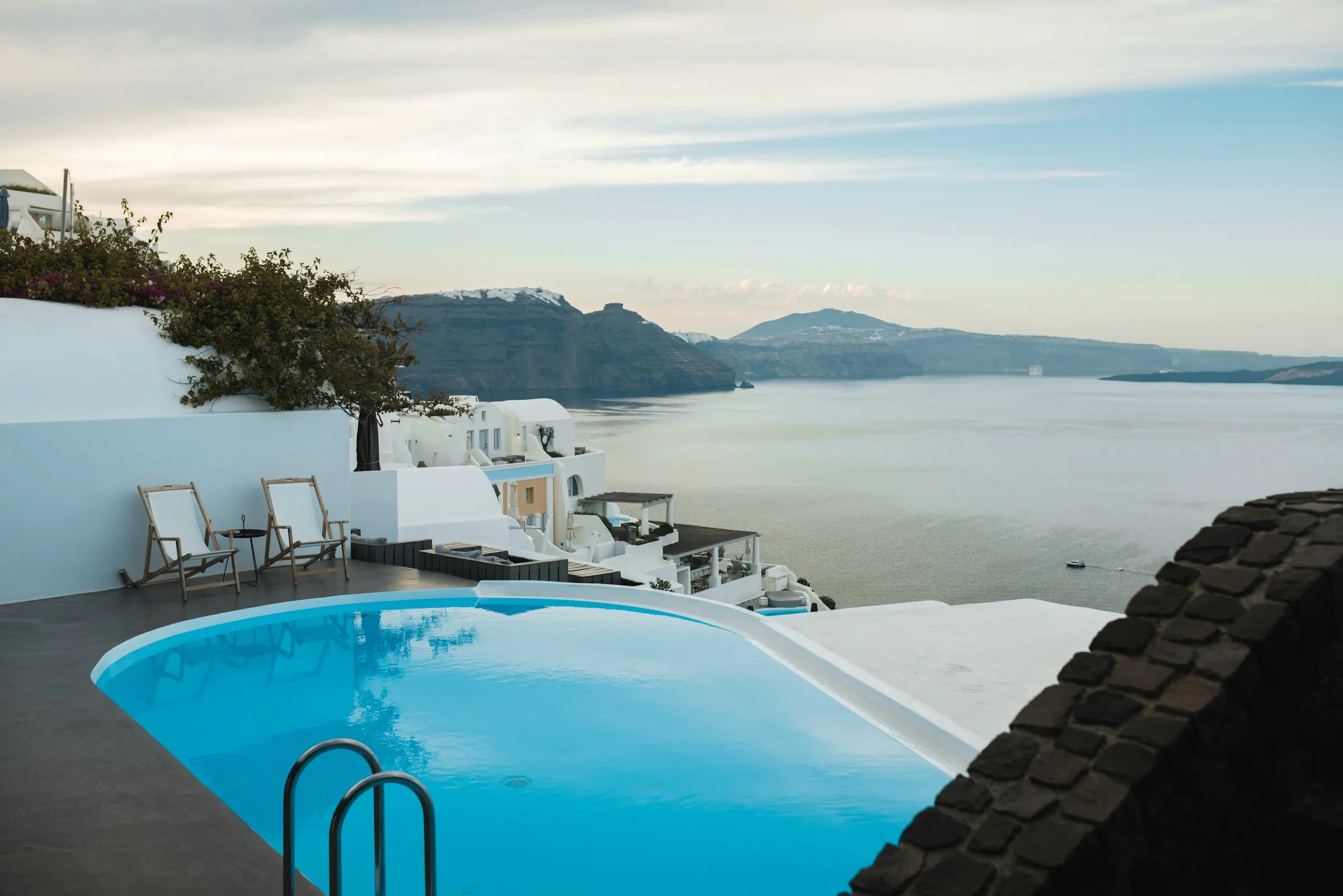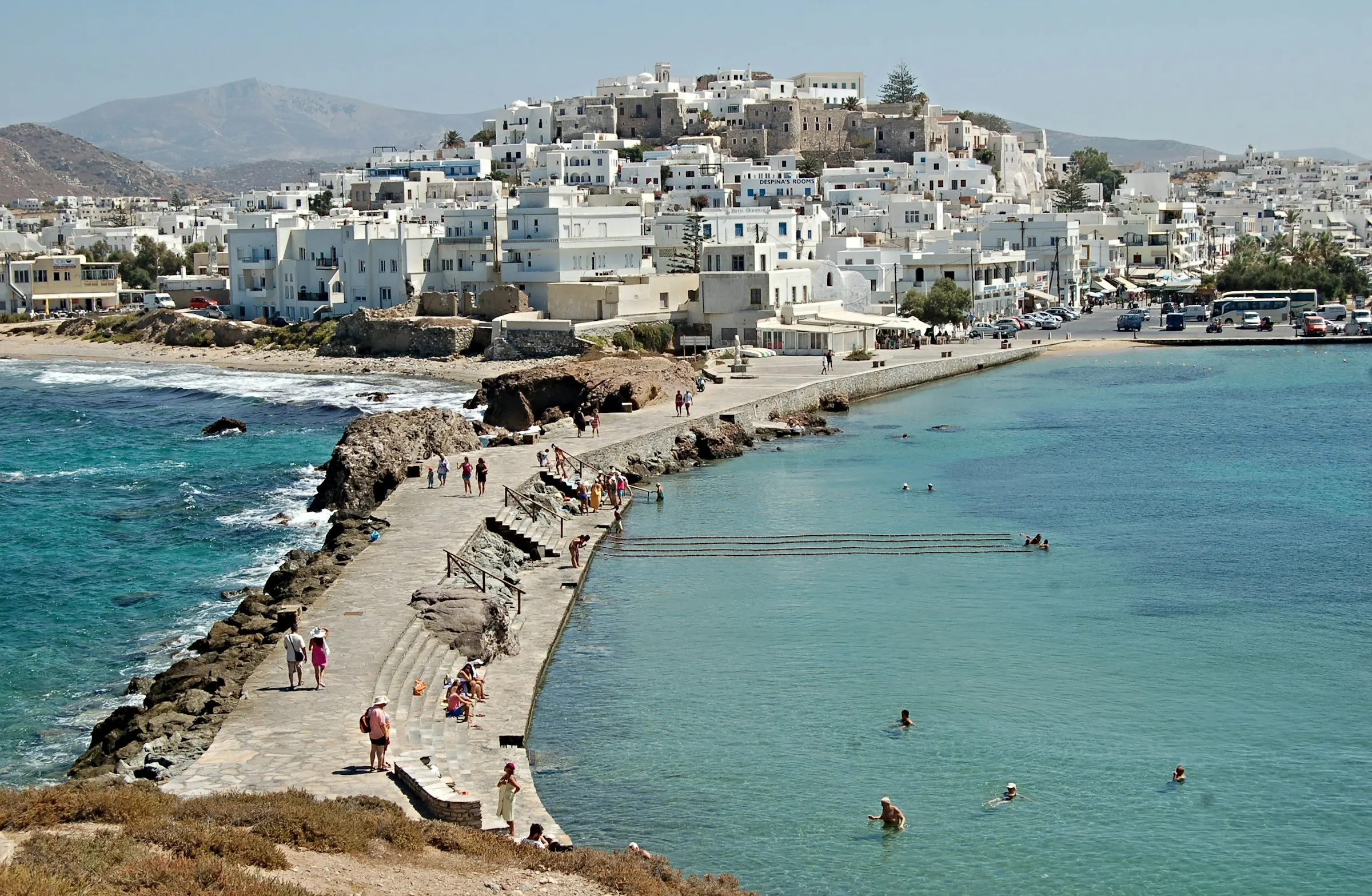
From a distance, the Cyclades look like a single destination: whitewashed villages, blue water, a short and intense summer. Anyone who has run a property on more than one of these islands knows otherwise. Each island is its own market, with its own guest, its own rhythm and its own practical constraints. An approach that works well in Oia can misfire in Apollonia, and a pricing strategy that suits Mykonos would quietly damage a small hotel on Amorgos.
For owners, and for investors weighing a second property elsewhere in the group, the useful question is not which island is best but what actually changes from one to the next, and what should stay exactly the same.
Demand profile and the guest you are really serving
The first difference is the guest. Santorini draws an international audience, heavily weighted towards couples, honeymooners and travellers for whom the caldera view is the point of the trip. Mykonos attracts a social, high-spending guest who books around beach clubs, nightlife and being seen, alongside a growing number of families and groups taking villas. Both islands carry global name recognition, which shapes everything from lead times to how guests discover a property.
Paros sits in between: lively in Naoussa and Parikia, but with a broader base of returning Europeans, families and Greek travellers. Naxos, the largest island in the group, has a more grounded profile, with families, walkers, food-minded travellers and longer stays, supported by its farming villages, mountain interior and long sandy beaches. Milos appeals to guests drawn by its volcanic coastline and boat trips, often a design-conscious couple who has already done the better-known islands. Sifnos is quieter still, prized for its gastronomy, pottery and walking paths, and tends to attract discerning repeat visitors, many of them Greek. Syros, the administrative capital of the Cyclades, has a living town in Ermoupoli, a year-round population and a cultural calendar that brings a different, often older, guest. Amorgos and the Small Cyclades, Koufonisia, Schinoussa, Iraklia and Donoussa, draw travellers looking for simplicity, swimming and a slower pace, and they are often deeply loyal.
Get the guest wrong and everything downstream suffers: room configuration, F&B concept, photography, the tone of your messaging and the channels you lean on.
Season length and the shape of the year
The season does not open and close on the same dates everywhere. Santorini and Mykonos benefit from international air access and strong brand recognition, which stretch the shoulders further than smaller islands can manage. Syros and Naxos have resident populations and services that keep part of the island functioning outside summer, which makes an extended season more realistic for the right product. On Sifnos, Amorgos or the Small Cyclades, the economics of opening early or closing late depend on whether restaurants, transport and suppliers are operating around you. A hotel cannot sell an experience the island itself is not yet offering.
This affects how you build your forecast. On an island with compressed peaks, pace and pickup in the core weeks carry the year, and protecting those dates with sensible LOS controls matters a great deal. On an island with longer shoulders, the work shifts towards stimulating demand in softer periods without training the market to wait for discounts.
Access by sea and air
Access is the quiet determinant of almost everything. Santorini and Mykonos have international airports receiving direct European flights in season, as well as busy ports. Paros, Naxos, Milos and Syros have domestic airports with connections to Athens, while their ferry links carry most of the traffic. Sifnos, Amorgos and the Small Cyclades rely on the sea alone.
For an owner, this has commercial consequences. Guests on sea-only islands plan more carefully, book further ahead and are more exposed to weather and timetable changes, especially when the meltemi blows. Arrival and departure days are harder to control, and minimum stay rules need to account for how guests actually travel. Good pre-arrival communication, flexibility around disrupted connections and clear transfer arrangements become part of the product, not an afterthought.
Staffing, housing and supplier logistics
Every island in the group shares a staffing challenge, but its severity varies. On the busiest islands, staff accommodation is scarce and expensive, and an owner who cannot house a team will struggle to keep one. On smaller islands, housing may be easier to find, but the pool of experienced hospitality professionals is shallower and recruitment has to start earlier. Islands with a year-round community, such as Syros or Naxos, offer some local depth; remote islands depend almost entirely on seasonal recruitment.
Supply follows the same logic. Islands with frequent ferries and a strong trade base allow for lean stock and regular deliveries. Elsewhere, a missed boat can mean a missing delivery, so par levels, storage and back-up suppliers need more planning. Naxos is a genuine advantage here, with local produce, cheese and meat that can underpin an authentic menu. On smaller islands, building relationships with local producers is both a supply strategy and a story guests value.
Regulation and planning sensitivity
Much of the Cyclades’ appeal lies in its traditional settlements, and the rules protecting them are taken seriously. Designated settlements, archaeological zones and protected landscapes, from the caldera edge on Santorini to the hilltop villages of Sifnos and the Chora of Amorgos, impose constraints on extensions, materials, colours, signage and even outdoor lighting. Approvals can take time and the requirements are often specific to the location.
For anyone considering an acquisition or a renovation, the practical advice is simple: commission proper due diligence on licensing, building permits and operating permissions before committing, and assume that design ambitions will need to work within local architectural character.
Pricing power, channel mix and reputation
Pricing power is not evenly distributed. On Santorini and Mykonos, strong demand supports a high ADR for the right product, but competition is intense and the compset is large, varied and quick to react. On Milos and Sifnos, pricing power comes from scarcity of quality rather than sheer volume. On Naxos, Syros or Amorgos, sustainable RevPAR often depends more on occupancy across a longer period and on length of stay than on headline rates.
Channel mix shifts too. Globally recognised islands lean on online travel agencies and luxury travel advisers. Smaller islands typically see more direct bookings from repeat guests and word of mouth, and often a higher share of Greek travellers. Understanding your own cost of acquisition by channel, rather than assuming what is typical, is essential.
Reputation dynamics differ as well. In a crowded market, review scores and ranking position can move bookings week to week. On a small island, reputation travels through personal recommendation and a handful of trusted sources, and a single poor experience is remembered longer.
The islands change. The discipline does not: know your guest, read your pace, protect your direct relationships and deliver the same standard on the last night of the season as on the first.
What stays constant
For all these differences, the fundamentals do not change from island to island.
- Revenue management discipline. Forecasting, monitoring pace and pickup, setting LOS controls and reviewing the compset regularly apply everywhere. Only the inputs differ.
- Direct relationships. A well-built website, a capable booking engine and a guest database you own reduce dependence on intermediaries on every island.
- Service standards. Guests compare you with the best place they have ever stayed, not just with the island next door. Consistency, warmth and attention to detail are non-negotiable.
- Clean data. Without reliable reporting across channels, it is impossible to tell whether a decision worked.
Practical advice for owners
If you operate on one island
Study your island as a market in its own right. Define your realistic season, map your genuine compset, which may be smaller and more specific than you think, and understand where your guests actually come from. Build your plan around the island’s access, supply and staffing realities rather than an abstract Cycladic average.
If you are considering a second property
Resist the assumption that what works on your current island will transfer. Before committing, look at the second island’s guest profile, access, season length, staffing and housing, licensing and planning context, and how its channel mix differs from your own. Ask whether the two properties can share systems, brand values and back-office support while keeping distinct commercial strategies.
Running more than one property also brings opportunities: shared expertise, cross-promotion to existing guests and a more resilient portfolio. Those benefits only materialise when each property is managed according to its own market.
Closing thoughts
The Cyclades reward owners who take each island seriously on its own terms. Working from Santorini with independent hotels, suites and villas across the islands, NERION Hospitality sees the same lesson repeatedly: the islands differ, but disciplined, well-informed management is what turns a beautiful property into a sustainable business, wherever it happens to be.